








Creating a home office space that feels both relaxing and functional can significantly improve your productivity and overall work experience. Whether you work remotely full-time or occasionally need a dedicated space for tasks, designing your home office with comfort and focus in mind can help you stay motivated throughout the day. Below are helpful tips for setting up a calming workspace that supports your best work.
Choose the Right Location
Selecting the best spot in your home for a home office is the foundation of a productive environment. Ideally, find a quiet area away from noise and distractions. If possible, choose a room with a door so you can easily separate work time from relaxation.
Consider natural light when picking your space. Sitting near a window can boost your mood and reduce eye strain. If natural light is limited, invest in good quality, adjustable lamps to create a well-lit work area.
Invest in Comfortable Furniture
Comfort is key to maintaining focus for long periods. Choose an ergonomic desk chair that supports your back and encourages good posture. Adjustable chairs help you find the right height and angle to avoid discomfort.
A desk with enough surface area will prevent clutter and give you room for your essentials like a laptop, notebooks, and any other tools. Consider a standing desk or a convertible desk option if you want to alternate between sitting and standing.
Use a Soothing Color Palette
Colors can influence your mood and productivity. Soft, neutral tones such as light blues, greens, or warm grays tend to have a calming effect and improve concentration. Avoid overly bright colors like neon shades that might be distracting.
You can add color through wall paint, decor items, or artwork. The goal is to create a soothing atmosphere that helps reduce stress while keeping you alert.
Organize and Declutter
An organized workspace prevents distractions and helps your mind stay clear. Invest in storage solutions such as shelving, filing cabinets, or desk organizers to keep papers and supplies tidy.
Make a habit of decluttering your desk at the end of each workday. A clean surface will greet you in the morning and set a productive tone for the day ahead.
Incorporate Natural Elements
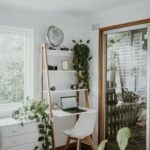
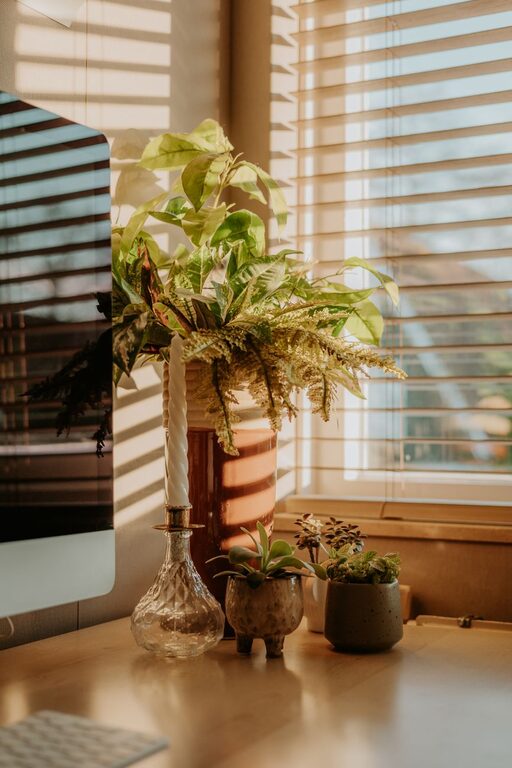
Bringing elements of nature into your home office can have a calming effect and improve air quality. Plants are a great choice; they add color and life to the space while reducing stress.
If you don’t have a green thumb, low-maintenance plants like succulents or snake plants are easy to care for. Alternatively, use natural materials in your decor such as wooden accessories or woven baskets to promote a warm and inviting atmosphere.
Personalize Your Space
Adding personal touches to your home office can make it more inviting and increase your connection to the space. Display photos, artwork, or mementos that inspire and motivate you.
Be careful not to overdo it, as too many items can cause visual clutter. Choose a few meaningful objects that create a positive ambiance.
Minimize Noise and Distractions
Background noise can interrupt your focus and reduce productivity. If your office isn’t in a quiet spot, consider using noise-cancelling headphones or a white noise machine to drown out distractions.
Inform family members or housemates of your working hours to minimize interruptions during important tasks. Setting clear boundaries helps maintain a professional environment.
Create a Comfortable Temperature and Airflow
Working in a space that is too hot or cold can be distracting and uncomfortable. Keep your home office well-ventilated and at a comfortable temperature.
If your workspace lacks good airflow, using a fan or air purifier can help maintain fresh air. Adjust room temperature with a portable heater or cooler if needed to stay comfortable throughout your workday.
Use Functional and Inspiring Lighting
Good lighting is essential to reducing eye strain and boosting energy. Use a mix of ambient, task, and accent lighting in your home office.
Task lighting, such as adjustable desk lamps, ensures your work area is properly illuminated. Adding soft accent lighting like fairy lights or candles can create a cozy atmosphere during breaks.
Establish a Routine and Break Space
Finally, creating a relaxing home office goes beyond design elements. Establishing a daily routine helps train your mind to associate this space with focused work.
Include short breaks away from your desk to stretch or refresh your mind. If space permits, create a small area with a comfortable chair or cushions where you can relax during breaks without feeling tempted to return to work immediately.
—
Final Thoughts
Designing a relaxing and productive home office doesn’t have to be complicated or expensive. By focusing on comfort, organization, lighting, and personal touches, you can create a workspace that supports your well-being and efficiency. Start small with a few key changes and adjust your space as you discover what works best for you. With a thoughtful setup, your home office can become your favorite place to work and thrive.